
The Ultimate Guide to Bunk Beds for Kids: Safety, Styles, and Solutions
Bunk beds have long been a popular choice amongst parents seeking to enhance space in their children's bed rooms. With benefits that exceed their compact design, bunk beds provide an enjoyable and practical sleeping plan while motivating brother or sister bonding and promoting imagination. In this extensive guide, we explore different elements of bunk beds for kids, including safety factors to consider, different styles offered, and suggestions for choosing the ideal one for your household.
Why Choose Bunk Beds?
Bunk beds are designed to stack one bed on top of another, utilizing vertical space to produce more space for play and storage. They are particularly useful for families with several children or limited bedroom space. Furthermore, they offer a daring sleeping environment that children frequently enjoy.
Secret Advantages of Bunk Beds:
- Space-saving style: Ideal for little rooms or shared areas.
- Cost-effective: Often more economical than buying two separate beds.
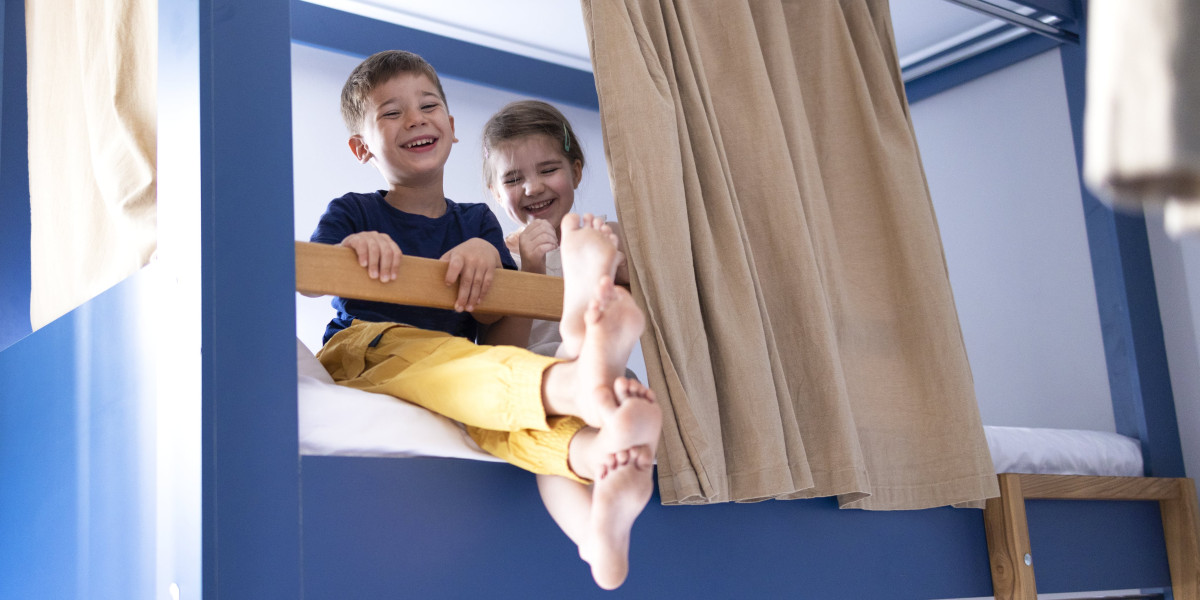
- Encourages social interaction: Promotes bonding among siblings or good friends.
- Flexible alternatives: Available in numerous designs and setups to suit any space design.
Safety First: Essential Considerations
When picking a bunk bed for kids, safety must be the top concern. The following functions are vital for making sure a safe and secure sleeping environment:
Important Safety Features:
- Sturdy Construction: Ensure that the bed frame is made from resilient materials such as strong wood or metal.
- Guardrails: Bunk beds should have guardrails on both sides of the upper bunk to prevent falls.
- Ladder Safety: A sturdy, integrated ladder or stairs with anti-slip rungs is vital for safe access to the top bunk.
- Weight Limit: Check the maker's weight limit capability for both the top and bottom bunk.
- Mattress Size: Use the proper bed mattress size as specified by the bed maker to make sure a snug fit within the bed frame.
Safety Tips for Parents:
- Monitor Sleep Habits: Teach children the value of not playing on or jumping off the bunk beds.
- Age Appropriateness: Generally, the upper bunk is ideal for kids aged 6 and older.
- Regular Inspections: Periodically examine for any loose bolts, screws, or structural damage.
Designs of Bunk Beds
Bunk beds can be found in a range of designs, permitting moms and dads to select one that complements their child's room decoration while conference specific needs. Below are some popular designs:
Popular Bunk Bed Styles:
- Traditional Bunk Beds: Simple and traditional designs made from wood or metal without any extra functions.
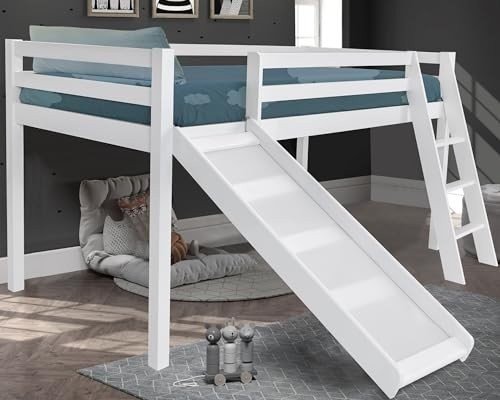
- Loft Beds: Features a raised top bunk with space underneath for a desk, play area, or additional storage.
- L-Shaped Bunk Beds: Arranged in an L-shape, often ideal for corner spaces and can have additional storage alternatives.
- Twin over Full Bunk Beds: A twin bed on the top and a bigger full-sized bed on the bottom, accommodating children or teens of various ages.
- Triple Bunk Beds: Designed to fit three beds in a single footprint, suitable for larger households or slumber parties.
A Comparison of Bunk Bed Styles
| Bunk Bed Style | Description | Best For |
|---|---|---|
| Traditional | Traditional design with two stacked beds | Standard bedroom setups |
| Loft Bed | Raised bed with functional space below | Research or play locations |
| L-Shaped | Bunk beds set up in an L-shape | Corner spaces |
| Twin over Full | Twin bed on top, full bed below | Different age siblings |
| Triple Bunk | Three stacked beds | Big households or sleepovers |
Selecting the Right Bunk Bed
When browsing for the perfect bunk bed, consider the list below elements to ensure you make a notified decision:
Key Factors to Consider:
- Room Size: Measure the room measurements to figure out the suitable size and height of the bunk bed.
- Child's Age: Consider the age of your kid(ren) when choosing a design and safety features.
- Functionality: Think about just how much storage or play space you require and whether the bunk bed need to serve additional purposes.
- Budget plan: Set a budget that consists of not only the bunk bed however likewise the needed bed mattress and devices like bedding or safety gates.
Frequently Asked Questions About Bunk Beds for Kids
1. What age is proper for a child to sleep in the top bunk?
Usually, children aged 6 and older ought to be able to securely sleep in the leading bunk, though you need to always consider your kid's maturity level.
2. Are bunk beds safe for toddlers?
It is not a good idea for toddlers or very young children to sleep in the leading bunk due to the risk of falling.
3. How do I keep the bunk bed?
Examine the bed regularly for any indications of wear and tear, tightening up screws, and cleaning up the bed mattress to ensure prolonged safety and toughness.
4. Can I convert a bunk bed into 2 separate beds?
Numerous bunk beds are designed to be convertible, allowing you to separate the beds when needed. Examine the manufacturer's specifications before purchasing.
5. How can I make the most of space in a bunk bed room?
Use under-bed drawers, racks, or lofted styles to produce additional storage services in a space with a bunk bed.
Bunk beds use a delightful blend of fun, performance, and space-saving energy, making them an ideal option for young families. By thinking about safety functions, different designs, and practical aspects such as space size and age appropriateness, moms and dads can select the best bunk bed for their kid's requirements. With the right choice, bunk beds can change a bedroom into a wonderful space that encourages play, creativity, and bonding among siblings. Always keep in mind to focus on safety and maintenance to take advantage of this special sleeping arrangement.