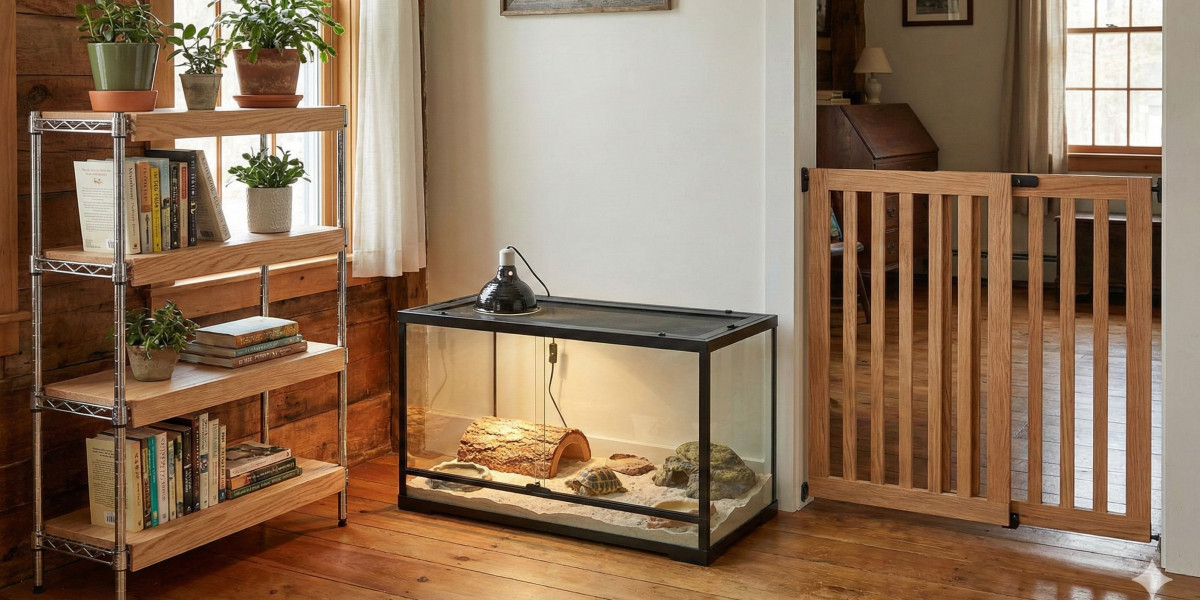

Proper reptile care begins with understanding the importance of space. Large species, whether snakes or lizards, require enclosures that allow them to stretch fully, explore their surroundings, and regulate their body temperature effectively. Unlike small terrariums designed for juveniles, larger habitats create opportunities for enrichment and healthier daily routines. When reptiles have sufficient room to move naturally, they tend to show improved muscle tone, better digestion, and more consistent behavior patterns.
Temperature gradients are essential for reptiles because they depend on external heat sources to manage bodily functions. In a cramped enclosure, it becomes difficult to establish distinct warm and cool zones. Adequate length and depth make it easier to install heating panels, basking lights, and UVB fixtures while maintaining proper airflow. Spacious habitats also allow for multiple hiding spots, which are crucial for reducing stress and encouraging natural instincts.
Choosing a well-constructed Foot Reptile Enclosure ensures that large reptiles receive the room they need to thrive. Extended dimensions provide the flexibility to design an interior layout that mimics elements of the animal’s natural habitat. Sturdy, moisture-resistant materials support stable humidity levels and long-term durability. With enough interior space, owners can incorporate climbing structures, naturalistic décor, and substrate layers without overcrowding the environment.
Bioactive setups are becoming increasingly popular among reptile enthusiasts. By integrating live plants, beneficial microorganisms, and layered substrates, keepers can create a self-sustaining ecosystem that assists with waste breakdown. A larger enclosure makes this approach more practical, as the ecosystem has room to balance naturally. The result is not only visually impressive but also healthier for the reptile, offering stimulation and a more authentic living environment.
Ultimately, investing in a spacious, well-designed enclosure reflects a commitment to responsible reptile ownership. Providing room for movement, proper heating zones, and environmental enrichment lays the foundation for long-term well-being. When reptiles are housed in environments that respect their biological needs, they exhibit more natural behaviors and maintain better overall health. Thoughtful habitat design benefits both the animal and the owner, creating a rewarding and sustainable reptile-keeping experience.