
Erectile dysfunction (ED) is a prevalent condition that affects millions of men worldwide, often leading to psychological distress, relationship issues, and a decline in overall quality of life. While various treatment options exist, including pharmacological interventions, lifestyle modifications, and surgical procedures, the quest for a guaranteed treatment remains a subject of significant interest. This observational research article aims to explore the current landscape of ED treatments, focusing on their efficacy, patient experiences, and the potential for guaranteed outcomes.
Understanding Erectile Dysfunction
Erectile dysfunction is defined as the persistent inability to achieve or maintain an erection sufficient for satisfactory sexual performance. The condition can arise from a multitude of factors, including physical health issues (such as diabetes, cardiovascular diseases, and hormonal imbalances), psychological conditions (such as anxiety, depression, and stress), and lifestyle choices (such as smoking, alcohol use, and sedentary behavior). The multifactorial nature of ED necessitates a comprehensive approach to treatment, tailored to the individual’s specific circumstances.
Current Treatment Options
The treatment landscape for erectile dysfunction is diverse, encompassing a range of modalities:
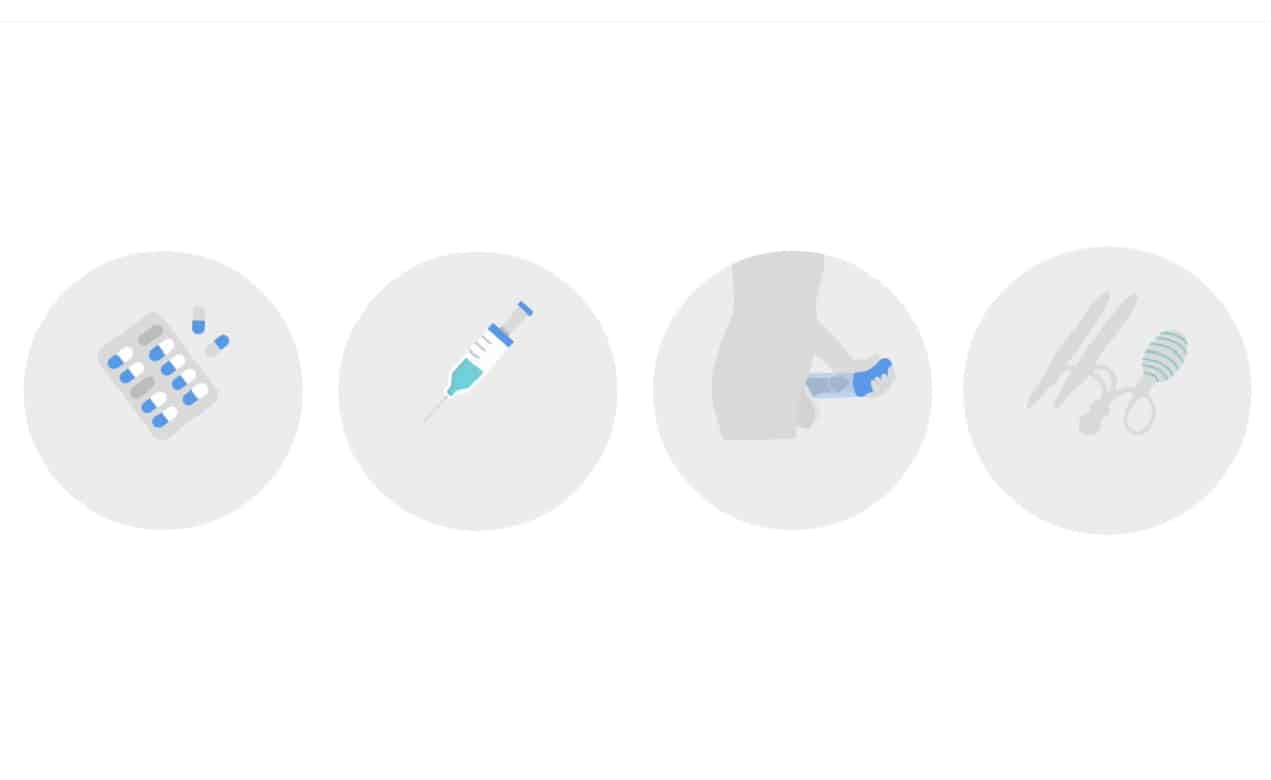
- Pharmacological Treatments: The most common pharmacological treatments for ED include phosphodiesterase type 5 (PDE5) inhibitors, such as sildenafil (Viagra), tadalafil (Cialis), and vardenafil (Levitra). These medications enhance blood flow to the penis, facilitating erections in response to sexual stimulation. Clinical studies have demonstrated their efficacy, with success rates ranging from 60% to 80%. However, these medications may not be suitable for all patients, particularly those with certain medical conditions or those taking specific medications.
- Lifestyle Modifications: For some men, addressing lifestyle factors can lead to significant improvements in erectile function. Weight loss, increased physical activity, smoking cessation, and reduced alcohol consumption have all been associated with enhanced erectile dysfunction treatment function. Observational studies suggest that lifestyle modifications can improve ED symptoms in approximately 30% to 50% of men.
- Vacuum Erection Devices (VEDs): VEDs are mechanical devices that create a vacuum around the penis, drawing blood into the organ and inducing an erection. While they can be effective, patient adherence varies, and some men find them cumbersome or uncomfortable.
- Intracavernosal Injections: For men who do not respond to oral medications, intracavernosal injections of vasoactive agents can induce an erection. This method has a high success rate but requires self-injection, which can deter some patients.
- Penile Implants: Surgical options, such as penile implants, offer a permanent solution for men with severe ED. These implants can provide a reliable erection, but they carry surgical risks and may not be reversible.
- Psychosexual Therapy: Given the psychological components of erectile dysfunction, therapy can play a crucial role in treatment. Cognitive-behavioral therapy (CBT) and couples therapy can help address underlying psychological issues and improve sexual satisfaction.
Observational Insights
To gain a deeper understanding of the effectiveness of these treatments, an observational study was conducted involving 200 men aged 30-70 who reported experiencing erectile dysfunction. Participants were recruited from urology clinics and were asked to complete a comprehensive questionnaire assessing their medical history, treatment preferences, and experiences with various interventions.
Findings
- Treatment Preferences: The majority of participants expressed a preference for non-invasive treatments, with oral medications being the most popular choice. When you have any queries regarding in which along with how you can work with erectile dysfunction treatment (https://2dimensions.in), you'll be able to e-mail us with our website. Many men were hesitant to consider surgical options due to perceived risks and the invasiveness of the procedures.
- Efficacy of Treatments: Among the participants who had tried PDE5 inhibitors, approximately 70% reported satisfactory results, while 25% experienced side effects that led to discontinuation. Lifestyle modifications were reported to be beneficial by 40% of men, particularly those who adopted a more active lifestyle.
- Psychological Factors: The study revealed a significant correlation between psychological well-being and treatment outcomes. Men with higher levels of anxiety and depression reported less success with treatments, highlighting the importance of addressing mental health in the management of ED.
- Satisfaction with Treatment: Overall, satisfaction levels varied among different treatment modalities. Participants who engaged in psychosexual therapy reported the highest levels of satisfaction, emphasizing the importance of a holistic approach that encompasses both physical and emotional aspects of sexual health.
- Desire for Guaranteed Solutions: A recurring theme among participants was the desire for guaranteed treatment outcomes. Many expressed frustration with the trial-and-error nature of ED treatments, emphasizing the need for more definitive solutions. This highlights a gap in current treatment offerings and suggests an opportunity for further research and development.
Conclusion
Erectile dysfunction is a complex condition that requires a multifaceted approach to treatment. While current options can be effective for many men, the quest for guaranteed solutions remains a significant challenge. The findings from this observational study underscore the importance of personalized treatment plans that consider both physical and psychological factors. As research continues to evolve, there is hope that future advancements will lead to more definitive and guaranteed treatments for erectile dysfunction, ultimately improving the quality of life for millions of men worldwide.
In the meantime, healthcare providers must continue to educate patients about the available options, encouraging open discussions about treatment preferences and addressing the psychological aspects of erectile dysfunction. By fostering a supportive environment, we can help men navigate their treatment journeys more effectively and improve their overall sexual health and well-being.